
Exempt from approval is not exempt from rules
Whether a garden pool needs planning permission depends on the German state, and the thresholds range from 100 m³ down to 10 m³. Not needing permission doesn't mean you're done.
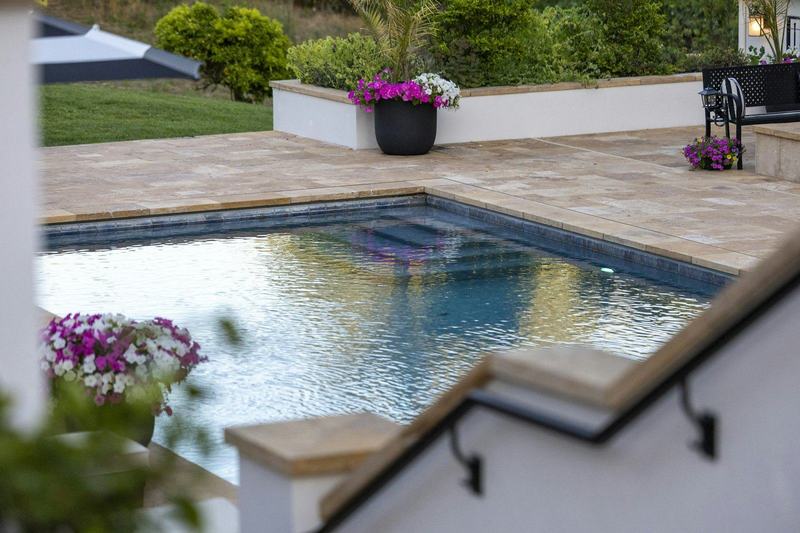
The DIY mistake that ends up costing you is rarely the one you're worried about. It's the one you didn't know existed. You won't notice it while you're building. It turns up later: at the building inspection, in a row with the neighbours, in an insurance claim, or when the house is sold. And by then, fixing it usually means tearing it out.
The same hole, a different legal position
A garden pool shows this better than anything. Whether it needs planning permission is decided by each state's building code, and Germany's 16 states don't agree:
- In most states a pool of up to 100 m³ is exempt from the approval procedure.
- In Rhineland-Palatinate and Bavaria the threshold is around 50 m³.
- For Baden-Württemberg several guidance sources put it as low as 10 m³.
- Hesse also caps depth at 1.50 m and area at 50 m².
Same project, same digger, same hole. Whether you have to file a building application comes down to the address.
Exempt from the procedure does not mean exempt from the rules.
The sentence almost every source adds
What applies even without an application
Setback distances, the local development plan and municipal by-laws still apply when no application is needed. Settling the permission question doesn't tell you how close to the boundary the pool can go. And that's exactly what neighbour disputes are made of.
Free-standing above-ground pools usually don't count as structures. The word usually is doing real work in that sentence: it depends on size, how long the pool stays up and whether it's anchored.
Where a general language model reaches its limits
It knows the rules roughly. What it doesn't know is which state you live in, what the local development plan says, or which version of the building code is current. And it won't give you a source to check its answer against.
That's the gap we're closing at CraftPartner. We keep a hand-picked set of rules for each state, every one with its source and the date we last checked it. You look it up before you build. Not after.
These figures are research results as of August 2026 and are backed by sources. CraftPartner points to the applicable rules and names the source. It is not legal advice and not a binding ruling from the building authority.